
We humans have always loved a good scare.
We’ve had a fascination with the supernatural, the dark and mysterious, the macabre, for as long as our species has been telling stories.
And one day, we started building those stories into interactive experiences. Ghost stories you could walk through: where you could see, feel…and even smell…the terrifying creatures and places that haunted your dreams.
We have to tip our hats to the first person who decided to build a haunted house. It sparked a rich legacy of fear and entertainment that continues today.
But haunted attractions have come a long way since their early origins. New developments in technology, shifts in culture and economics, and sparks of creative genius have helped these experiences change and grow. Let’s dive into the history of haunted houses and exactly how they’ve evolved over time.
Early Beginnings
The concept of haunted houses can be traced back to ancient times when stories of ghosts and spirits were part of folklore and cultural traditions. These tales often revolved around haunted castles, abandoned buildings, and eerie forests. However, it wasn’t until the 19th century that the idea of creating a physical space to evoke fear became popular.
Victorian Era: The Birth of Ghost Stories
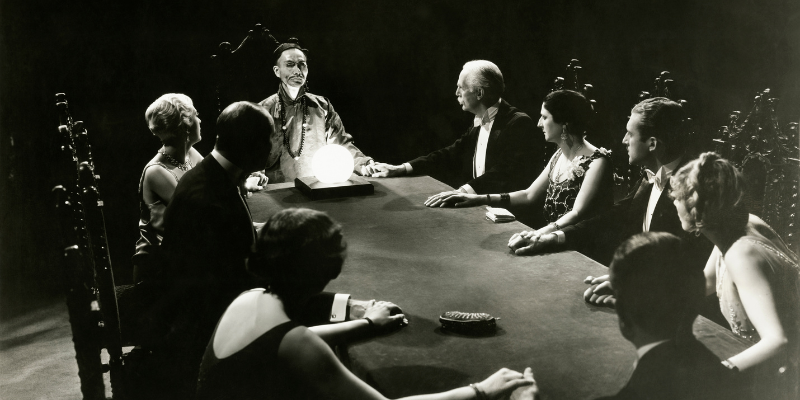
The Victorian era was a time when ghost stories became immensely popular, influenced by the Romantic and Gothic literary movements. Authors like Edgar Allan Poe and Mary Shelley captivated audiences with their tales of the macabre. During this period, séances and spiritualism also gained traction, with people eager to connect with the other side. The first haunted house attractions started to appear as part of these séances and carnivals, using rudimentary special effects to scare visitors.

Early 20th Century: Haunted Houses as Attractions
By the early 20th century, haunted house attractions began to appear more frequently. These early attractions were often simple, consisting of dark, winding corridors and hidden actors ready to jump out and scare unsuspecting visitors. The Great Depression saw the rise of charity haunted houses, where local organizations would create haunted attractions to raise funds.
The First to Sell Tickets: Orton and Spooner Ghost House
The first haunted attraction to charge admission is widely considered to be the Orton and Spooner Ghost House, which opened in 1915 in the United Kingdom. This attraction was part of an Edwardian fairground and featured a mixture of mechanical devices, spooky sound effects, and costumed actors to scare visitors. The Orton and Spooner Ghost House was innovative for its time, using many techniques that would become standard in haunted attractions, such as moving floors, air jets, and eerie lighting.
Charging admission for the experience marked a significant development in the history of haunted attractions, transitioning them from informal, community-driven events to commercial enterprises designed to entertain and frighten paying customers. This shift paved the way for the development of more elaborate and sophisticated haunted houses in the decades to follow.
Laff in the Dark Rides (1920s-1930s)
In the 1920s and 1930s, amusement parks began incorporating haunted attractions known as “dark rides.” These rides featured carts that carried visitors through darkened tunnels filled with spooky scenes and special effects. The concept of dark rides became popular in various amusement parks across the United States and Europe. Two notable examples include:
- Pretzel Amusement Ride Company: One of the earliest manufacturers of dark rides, the Pretzel Amusement Ride Company, introduced the “Pretzel Ride” in 1928. These rides became a staple in amusement parks, offering a blend of humor and horror.
- Spook Houses and Ghost Trains: Many amusement parks added spook houses and ghost trains to their attractions. These rides featured mechanical scares, eerie lighting, and animatronics to create a thrilling experience for riders.
Mid-20th Century: Thematic Evolution
The mid-20th century marked a significant evolution in haunted houses. In the 1950s, businesses and nonprofit organizations started operating haunted attractions and shows as fundraisers. One famous example was the San Mateo Haunted House, built by the Children’s Health Home Auxiliary League in San Mateo, Calif.
Themed haunted attractions started to emerge, with elaborate sets and storylines designed to immerse visitors in a narrative. This period also saw the rise of horror movies, which influenced the design and themes of haunted houses. Iconic horror characters like Dracula, Frankenstein, and the Mummy became staples in these attractions.
Jaycees Haunted Houses (1970s)
We can’t talk about the history of haunted houses without mentioning the influence that Jaycees had on their growth. In the early 1970s, haunted houses quickly spread across the United States via charity fundraisers conducted by The United States Junior Chamber (“the Jaycees”) and others. Members of The Jaycees were encouraged to build haunted houses in abandoned buildings or fields as charity fundraising events, and the organization became known for these houses throughout America. This helped to spawn a new generation of haunted houses that were now being built in larger cities across the country like Louisville, Kentucky and Cincinnati, Ohio. The success of Jaycees haunted houses helped establish Halloween as a major holiday for haunted attractions.
Modern Era: High-Tech Haunts
Today, haunted houses have become highly sophisticated, often incorporating advanced technology to create immersive and terrifying experiences. Modern haunted attractions feature state-of-the-art special effects, animatronics, and highly detailed sets. Virtual reality (VR) and augmented reality (AR) have also made their way into haunted houses, offering new ways to scare and engage visitors.

Contemporary Haunts
In recent decades, the haunted attraction industry has continued to grow and innovate. Haunted houses now feature sophisticated special effects, elaborate set designs, and immersive storylines. Some notable contemporary haunted attractions include:
Statesville Haunted Prison
Chicago’s Statesville Haunted Prison became famous for its immersive and realistic prison theme, high-quality production, and intense interactive experience. Its reputation was bolstered by positive reviews, community involvement, and a longstanding tradition of providing top-tier haunted entertainment. Although it closed its doors in 2021, its legacy continues to influence and inspire the haunted attraction industry.
Fright Farm
Smithfield, PA’s Fright Farm is well-known for its long-standing presence, diverse haunted attractions, elaborate set designs, professional scare actors, innovative scares, community involvement, and positive reviews. It continues to draw thrill-seekers and horror enthusiasts year after year with its commitment to delivering a top-tier haunted house experience that leaves a lasting impression.
Eloise Asylum
Located in Canton, Michigan, Eloise Asylum is a newer haunt that follows a modern trend of using authentic historical settings for horror attractions. Eloise boasts a detailed and immersive experience, professional actors, and innovative scares. The combination of real asylum history with creative storytelling and high production values makes it a standout attraction in the haunted house industry. Visitors are drawn to the genuine sense of horror and the thrill of exploring a site with a dark and mysterious past.
Terror on the Coast
Located in Mississippi, Terror on the Coast is known for several distinctive features that contribute to its popularity and reputation among haunted attraction enthusiasts, including a unique bayou theme and elaborate sets. It offers a memorable and immersive haunted attraction experience that captivates visitors with its maritime-inspired scares and atmospheric storytelling.
Final Thoughts
Haunted houses have come a long way from their humble beginnings as simple ghost stories and carnival attractions. They have evolved into complex, high-tech experiences that continue to captivate and frighten audiences around the world. Famous attractions have played significant roles in this evolution, setting the stage for the modern haunted houses we enjoy today.
As we look to the future, it’s exciting to imagine how haunted houses will continue to evolve, incorporating new technologies and storytelling techniques to keep the tradition of scaring visitors alive and well. Whether you’re a fan of the classic haunts or the cutting-edge experiences, one thing is certain: the allure of a good scare is timeless.
Ready to leave your haunt’s mark on history? Schedule call with one of our haunt experts. We’d love to help you reach more fans and sell more tickets.
CORRECTION: An earlier version of this story stated that the Jaycees started operating haunted attractions in the 1930s. In fact, the Jaycees began operating haunts in the early 1970s. HauntPay sincerely regrets this error.
