

There’s one rule every haunt owner knows to be true: Expect the unexpected.
No matter how carefully you plan, there may be unexpected situations that arise every day during Haunt Season. And you need to be able to roll with the punches, without breaking a sweat. How can you handle crises without ruining your guests’ experience?
We’ve got your back. Here’s a step-by-step guide for creating a contingency plan for your haunted attraction:

1. Identify Potential Risks
There are plenty of things you can’t predict when preparing for haunt season. But what about the situations that are predictable? You’ll save yourself a ton of headaches if you identify potential risks that could impact your haunt, such as:
- Weather issues (for outdoor haunts)
- Technical failures (AV equipment, lighting, etc.)
- Vendor cancellations (caterers, performers, etc.)
- Low attendance
- Health and safety concerns (injuries, illnesses)
- Power outages
Think through your setup, location, and programming: which of those situations could potentially impact you? You can’t plan for every possible scenario, but if you know exactly where your haunt is vulnerable, you CAN create a backup plan for the things that pose the greatest risks.
2. Create Backup Plans for Known Risks
Now that you know which risks are most likely to impact your haunt, you should create a specific backup plan for each one.
Is weather a factor? Work with your venue (if you’re renting) to arrange for tents, indoor alternatives, or rain dates. Create a refund policy for inclement weather and make it clear to your guests up front. For potential vendor issues, maintain a list of backup vendors and confirm their availability.
Worried about technical failures? Have backup equipment, technicians on-site, and pre-checked gear. Maybe you’re concerned about low attendance for a brand-new haunt. Have a marketing boost plan, such as offering last-minute promotions or discounts. Finally, for safety concerns, make sure you have a first aid station, medical personnel, and emergency protocols in place.
Having a backup plan for the situations most likely to throw a wrench into your plans will allow you (and your team) to react quickly and feel less stressed during Haunt Season.
3. Empower Your Team
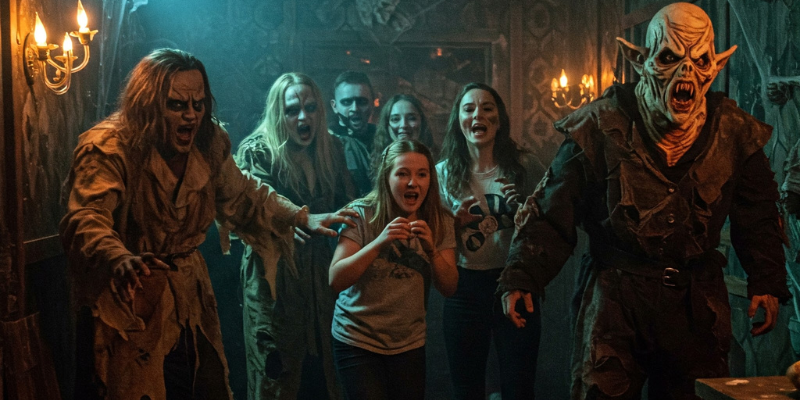
Give your team the autonomy to make decisions within their purview. For example, if a kid drops their funnel cake in the mud, a staff member can easily fix the problem and make the guest happy by giving them a new one free of charge.
That might seem obvious, but it’s important to train your staff to focus on solutions and guest recovery. Should you give away everything for free just because a guest asks? No. But your team needs to be able to think for themselves, assess situations, and provide solutions when they can.
If they need to come to you for every little thing, a bottleneck will inevitably develop. Guests will start to become unhappy, and chaos will start to spiral. For bigger issues, there should be a defined process for escalating questions and problems to a manager or more senior staff member.
4. Keep Good Records
We’ve worked with more than 1,000 haunt owners, and we’ve seen it all. The staff member who never calls in sick gets the flu. The lead scare actor sprains an ankle and needs a junior employee to step in. And it’s rare, but sometimes the haunt owner themselves isn’t able to be on site on a busy weekend. How can you make sure things still go smoothly?
Simple: document your processes.
It might seem silly to write down things you do everyday like how to answer the phone; to you they might feel obvious or intuitive. But a staff member who has never performed those duties before will have more confidence that they can do the job correctly if they have the right tools and instructions.
If you have a detailed account of how the ticket booth needs to be organized, or how to balance the cash registers at the end of the night, it will be much easier for another team member to step in and fill those roles.
5. Maintain Clear Communication Channels
Similar to good records, clear and open communication with everyone involved – from your team to the catering vendor – will help you to pivot and make decisions quickly when things go wrong. Whether you use a messaging app like Slack, a text group, or email, create a consistent communication channel and keep your whole team informed of any changes as the season progresses.
Need to leave more time in between groups entering your attraction? Or switch up the ticket scanning process? Let everyone know. Better communication will also help to empower your team: everyone will be able to answer guest questions more consistently and accurately, and they’ll feel more comfortable & confident in their roles.
Having open communication channels can also be a great way for your team to provide you with feedback. They might have suggestions for how to improve processes or simple changes that could make their jobs easier and more efficient, which will let them focus on making your guests happy.
6. Allocate an Uh-Oh Budget
You may already have a detailed budget for your haunt. But even experienced haunters often forget to leave a buffer in the budget for unexpected expenses. If a scare-actor cancels, would you be able to hire another one to come in at the last minute?
Or if a prop breaks, or the A/V equipment goes down, could you replace them on the fly?
If you’re already over budget, you might feel like you can’t do anything to fix problems when they arise because it will cost more money. When you’re creating your haunt’s business plan, leave 5-10% to cover unexpected expenses. Think of it as your uh-oh budget: you only use it for situations where you think, “uh-oh, we need more…” or “we forgot about…” or even, “ we need a new…”
It will make those situations a lot less stressful if they do arise. And if they don’t, then congratulations! You have an extra 5-10% left over!
7. Test and Rehearse
Dress rehearsals aren’t just for musical theater. They’re an important part of every haunt.
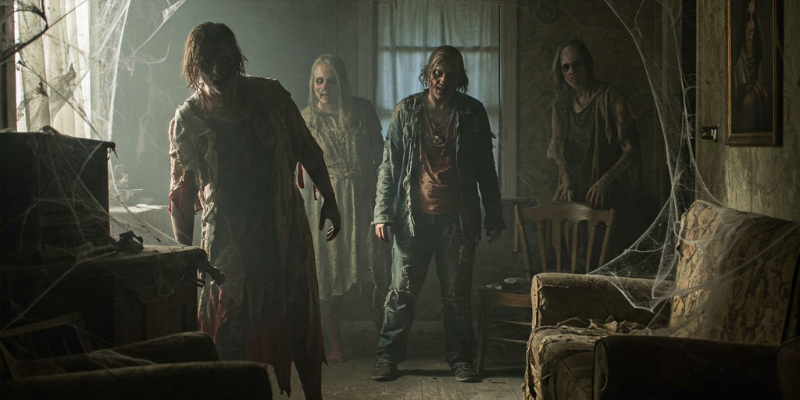
A few days before you open for the season, run through a practice night with your team. Take this opportunity to test equipment, examine elements like scene layout, lighting, and placement of your scare-actors, and make sure everyone knows where to be.
While you’re at it, run through your contingency plans, too. Simulate different scenarios to ensure everyone knows their roles and can act quickly.
8. Consider an Insurance Plan
You’re investing a lot of money in your haunt. And many haunt owners have been financially devastated by rain-outs, venue challenges, or other major catastrophes. If you’re concerned about it happening to you, consider purchasing insurance to cover those risks like cancellations, liabilities, or damages. Make sure to choose a policy that fits your specific needs.
Final Thoughts
Unexpected situations happen every day, especially when it comes to operating a haunted attraction. But it doesn’t have to ruin your day. By identifying risks early, empowering your staff and maintaining clear communication, you can handle anything that comes your way.
One more thing you can do to minimize the unexpected is to work with ticketing experts who always have your back. Wouldn’t it be nice to have someone you can go to for help making changes on the fly, to answer guest questions about tickets, and support you?
HauntPay will do all that and more. Schedule a call with a friendly haunt expert today – we’ll even set everything up for you!
